Your Journey, Our Expertise...
Menu

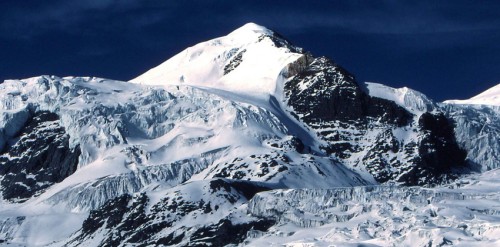
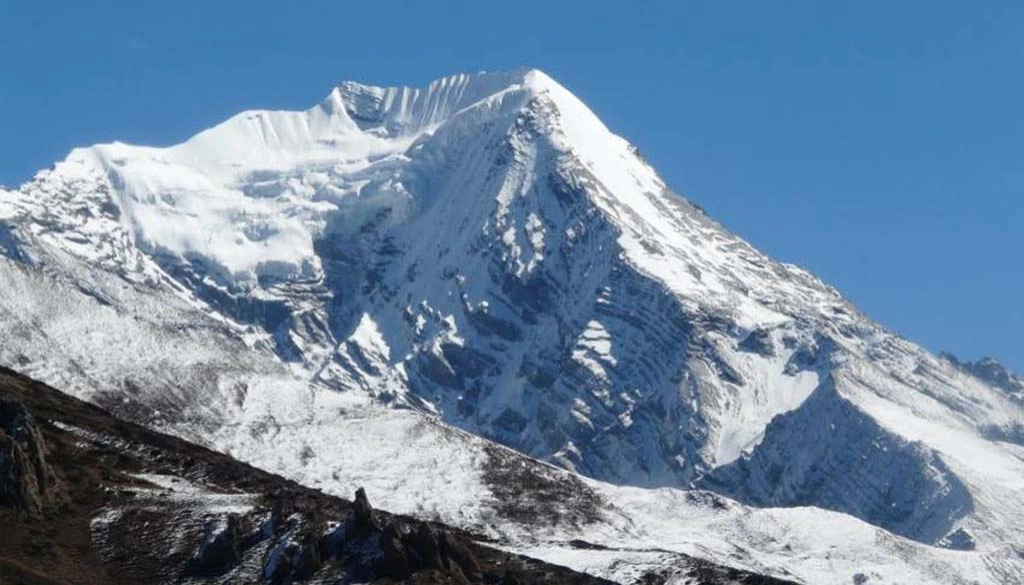
Chulu Far East Peak Climbing – 21 Days

21 Days • mordenly • Best season: march-may,sptember-desember

Overview

Duration: 21 Days
Maximum elevation: approx. 6,059 m / 19,880 ft
Difficulty: Advanced / technical high-altitude peak
Best seasons: Spring and autumn are generally preferred for climbing conditions.
Starting point: Kathmandu
Ending point: Kathmandu
Main trekking region: Annapurna – Manang – Chulu Far East – Thorong La – Mustang

The Chulu Far East climbing itinerary combines the spectacular Annapurna Circuit landscape with a genuine Himalayan peak-climbing experience. The route passes through subtropical valleys, pine and rhododendron forests, traditional Gurung villages, the high alpine landscape of Manang, glacial terrain and finally the summit environment around 6,000 metres. A number of published itineraries use a similar progression with acclimatization around Ngawal/Manang, Chulu Far East Base Camp and High Camp before the summit attempt

Chulu Far East Peak Climbing – 21 Days

Trekking & Hiking Adventure

Region Annapurna Region
Duration 21,days
Grade Mordenly
Meal L/B/D
Group Size 1-15
Accomodation Lodge and camp
Best Season March-may,sptember-desember
Start/End Ktm-ktm
Max Altitude 6000m
Activity Trekking and climbing
Day 1 — International Arrival in Kathmandu – 1,400 m
Ups ↑ +00 m
Down ↓ -00 m
Elevation 1400 m
Distance ⟺ 8km

Upon your arrival at Tribhuvan International Airport, a representative from Nepal Voyage Treks will meet you at the airport and welcome you in traditional Nepali style. You will be transferred by private vehicle to your Kathmandu hotel,  at 3 star hotel . and welcome dinner with nepali traditional restaurent dal bhat , where you can rest after your international journey. In the evening, there will be a short briefing about the Chulu Far East Peak expedition, including the trekking route, accommodation, meals, climbing equipment, permits, safety procedures and guide/porter arrangements. If time permits, you can enjoy a traditional Nepali welcome dinner with cultural music and dance.

Elevation: Kathmandu – approx. 1,400 m
Transportation: Private vehicle
Walking: Minimal
Accommodation: Hotel

Accomodation: hotel
Meals: B/L/D
Duration: 30m
Day 2 — Full-Day Kathmandu Heritage Sightseeing & Climbing Preparation
Ups ↑ +00 m
Down ↓ -00 m
Elevation 1400 m
Distance ⟺ 35km


Today is a combined Kathmandu Valley cultural sightseeing and climbing preparation day. Kathmandu Valley contains seven UNESCO World Heritage monument zones representing the historic cities and religious traditions of the valley.

Your sightseeing can include the six major heritage sites requested for your package:

1. Kathmandu Durbar Square

The historic royal palace area of Kathmandu, with traditional courtyards, temples, palaces and Newari architecture.

2. Swayambhunath Stupa

Also known as the Monkey Temple, Swayambhunath is one of the valley's important Buddhist religious sites and sits on a hill overlooking Kathmandu.

3. Pashupatinath Temple

One of Nepal's most important Hindu pilgrimage sites, situated beside the sacred Bagmati River. Non-Hindu visitors can view the temple complex and religious activities from permitted areas.

4. Boudhanath Stupa

One of the great Buddhist pilgrimage sites of Kathmandu, with a huge white dome, prayer wheels, monasteries and Tibetan Buddhist cultural influence. Kathmandu Metropolitan City describes Boudhanath as the largest stupa among the stupas of Kathmandu Valley.

5. Patan Durbar Square

Located in the ancient city of Lalitpur, Patan is famous for its Newari craftsmanship, temples, courtyards, stone and metal artwork and traditional architecture.

6. Bhaktapur Durbar Square

Bhaktapur preserves a particularly impressive medieval Newari urban environment, with temples, palace courtyards, traditional brick buildings and artistic wood and metal craftsmanship.

UNESCO officially identifies Kathmandu, Patan and Bhaktapur Durbar Squares together with Swayambhu, Boudhanath, Pashupati and Changu Narayan as the seven monument zones of Kathmandu Valley.

In the late afternoon, you return to the hotel for final climbing preparation and equipment checking. Your climbing guide checks boots, crampons, harness, helmet, ice axe, ropes and other technical equipment.

Elevation: 1,400 m
Sightseeing: Full day
Walking: Approximately 3–5 km depending on sightseeing route
Accommodation: Hotel
Meals: Breakfast

Accomodation: hotel
Meals: B/L/D
Duration: 8h
Day 3 — Kathmandu – Besisahar – Dharapani
Ups ↑ +500 m
Down ↓ 150 m
Elevation 1960 m
Distance ⟺ 300km

After an early breakfast, we drive from Kathmandu toward Besisahar, the gateway to the Annapurna region, and continue toward Dharapani depending on road and local conditions. The journey follows river valleys and winding Himalayan roads, with views of green hills, waterfalls, terraced farmland and rural settlements.

Elevation: Dharapani approx. 1,860–1,960 m
Driving: approximately 8–10 hours depending on road conditions
Trail: Motor road
Accommodation: Lodge

The landscape gradually changes from the lower green hills toward the mountain environment of Manang.

Accomodation: lodge
Meals: B/L/D
Duration: 8-10h
Day 4 — Dharapani – Chame
Ups ↑ +800 m
Down ↓ -100 m
Elevation 2670 m
Distance ⟺ 16km

Today the actual trekking begins. The trail follows the Marshyangdi Valley through forests and traditional mountain villages. You pass through areas of pine, fir and rhododendron forest and gradually enter the spectacular mountain scenery of the Manang region.

The trail includes both gradual ascents and short descents, with beautiful views of surrounding peaks.

Elevation: Chame – approx. 2,670 m
Walking: 5–6 hours
Distance: approximately 15–16 km
Ascent: approximately 800 m
Descent: relatively minor
Terrain: Forest trail, stone sections and local road
Vegetation: Pine, fir, rhododendron and Himalayan shrubs
Mountain views: Lamjung Himal, Annapurna II and surrounding peaks

Accomodation: lodge
Meals: B/L/D
Duration: 5-6h
Day 5 — Chame – Upper Pisang
Ups ↑ +600 m
Down ↓ -100 m
Elevation 3200 m
Distance ⟺ 16km

The trail continues through beautiful forests and narrow mountain valleys toward Pisang. You cross streams and walk beneath impressive cliffs and snow-covered Himalayan peaks. As the altitude increases, the vegetation becomes thinner and the landscape becomes increasingly alpine.

Elevation: Upper Pisang – approx. 3,200 m
Walking: 5–6 hours
Distance: approximately 14–16 km
Ascent: approximately 500–600 m
Descent: short sections
Trail: Forest, stone trail and mountain path

The area offers spectacular views of Annapurna II, Annapurna IV and Pisang Peak.

Accomodation: lodge
Meals: B/L/D
Duration: 5-6h
Day 6 — Upper Pisang – Ngawal
Ups ↑ +700 m
Down ↓ -100 m
Elevation 3660 m
Distance ⟺ 12km

Today is one of the most scenic days of the trek. We take the higher route toward Ghyaru and Ngawal, which provides magnificent panoramic views of the Annapurna range.

The trail climbs steadily through dry mountain terrain. As we gain altitude, the landscape changes from forest to alpine grassland and rocky slopes.

Elevation: Ngawal – approx. 3,660 m
Walking: 4–6 hours
Distance: approximately 10–12 km
Ascent: approximately 500–700 m
Descent: some short sections
Trail: Steep stone steps and mountain paths
Mountain views: Annapurna II, III, IV, Gangapurna and surrounding peaks

Accomodation: lodge
Meals: B/L/D
Duration: 6h
Day 7 — Acclimatization Day at Ngawal
Ups ↑ +400 m
Down ↓ -200 m
Elevation 3664 m
Distance ⟺ 6-7 km

Today is an important acclimatization day before moving toward the high-altitude Chulu region. Rather than simply staying inside the lodge, we recommend a short acclimatization hike around the village and surrounding ridges.

You can explore the traditional village, Buddhist monasteries, chortens, prayer walls and local agricultural areas while enjoying views of the Annapurna mountains.

Elevation: Ngawal – approx. 3,660 m
Walking: 3–5 hours optional acclimatization hike
Ascent/descent: approximately 200–400 m depending on hike
Purpose: Acclimatization and preparation

This rest-and-acclimatization approach is commonly incorporated into Chulu Far East climbing itineraries before entering higher elevations.

Accomodation: lodge
Meals: B/L/D
Duration: 3-5h
Day 8 — Ngawal – Chulu Far East Base Camp
Ups ↑ +900 m
Down ↓ -00 m
Elevation 5300 m
Distance ⟺ 8 -10 km

Today we leave the main villages and enter the more remote high-altitude environment toward Chulu Far East Base Camp. The trail becomes increasingly rugged, with barren slopes, alpine vegetation, rocky terrain and glacial landscapes.

Elevation: Base Camp approximately 4,600–5,000 m depending on the selected climbing route and camp location 5300
Walking: approximately 5–7 hours
Distance: approximately 8–12 km
Ascent: approximately 900–1,300 m
Terrain: Rocky alpine trail, moraine and steep mountain terrain

At this altitude, the landscape is dominated by juniper, alpine grasses, small shrubs and bare rock. Wildlife becomes less common, but Himalayan birds and occasional mountain animals may be seen.

Accomodation: lodge
Meals: B/L/D
Duration: 6-7h
Day 9 — Acclimatization and Climbing Training at Base Camp
Ups ↑ +400 m
Down ↓ -300 m
Elevation 5300 m
Distance ⟺ 6-7 km

Today is dedicated to acclimatization and climbing preparation. Your climbing guide will conduct practical training with the group, including the correct use of crampons, harness, helmet, ice axe, climbing rope and basic glacier techniques.

Depending on weather and group condition, you may take a short hike above Base Camp before returning for rest.

Elevation: approximately 4,600–5,000 m
Walking: 2–4 hours optional
Purpose: Acclimatization + technical climbing training

This day is particularly important because the summit is above 6,000 m.

Accomodation: camp-lodge
Meals: B/L/D
Duration: 4h
Day 10 — Chulu Far East Base Camp – High Camp
Ups ↑ +700 m
Down ↓ -00 m
Elevation 500 m
Distance ⟺ 6-7 km

Today we climb from Base Camp toward High Camp. The terrain becomes steeper and more exposed, and the trail may include rocky moraine, snow and glacial sections depending on the season and current mountain conditions.

High Camp: approximately 5,300–5,500 m
Walking: 3–5 hours
Ascent: approximately 500–700 m
Descent: minimal
Terrain: Rocky moraine, snow/glacier terrain and steep slopes

After reaching High Camp, the climbing team prepares equipment for the summit attempt. The guide will check the weather forecast, climbing equipment and route conditions.

Accomodation: camp-lodge
Meals: B/L/D
Duration: 5h
Day 11 — Summit Day – Chulu Far East Peak, approx. 6,059 m
Ups ↑ +800 m
Down ↓ -900 m
Elevation 6059 m
Distance ⟺ 8km


https://images.openai.com/static-rsc-4/5LgbeHKc9Vt_1Meg0FrI5BoUagoxx7vlhhFhH6XB4FAzjkvJVGyQo6a7L-pMZ2Ru6MJsi055WTA_ssKMIMyV4YOySLejn1hcc_FB7uhXqaMGhOfiq_pyTb8pDyj8RSq1sftOUVuieuxa0L3Cj81Xufccg0yYnn3P7V0lawWYaCGcRZt6H3qtg5tjIyu1kTa9?purpose=fullsize


https://images.openai.com/static-rsc-4/wfSADkqXJzBv2ssP2jk2kbhy8bTvepX02d-ZqKd0AgITgHe7qU7cYEAsw7EQz-lGYqys1KiEwsaNcg3uHs4GwVyH1ORUy-cGN-MnWZUBHkjH6pRLf5E1Y03QtYoJkokbsc37PdC9uRdvKf3SHosR_pzBxCGbPEiIlILKiUSGfLVhPk3FXim93h5K0XFNB-Dp?purpose=fullsize


https://images.openai.com/static-rsc-4/3d7cPsaPiGQhOXKhcdNz1tWRXl55ipS2IqUHhc4ndn7TgwlwtGVxD_MgJMDM941B0UdRG28DXIKnr4hQG0Ji_j90_tot-BVVp1qNwvpqAJeeSUXw2oWZYM28dsZf5dlAoAc812xds6f_LSF2iejX0ht6pyvq--Z6p20ShXDdqzaSgAPxXudAhXhuu9bbJjyP?purpose=fullsize

7

This is the major objective of the expedition. We wake very early, usually before dawn, and begin climbing while the snow and mountain conditions are generally more suitable.

The route may involve snow, ice, glacier travel, steep sections and rope-assisted climbing depending on current conditions. The exact climbing technique and equipment required are determined by the qualified climbing guide according to the mountain conditions.

After reaching the summit, you can enjoy extraordinary Himalayan views, potentially including Annapurna II, Annapurna III, Annapurna IV, Gangapurna, Tilicho Peak, Dhaulagiri and other surrounding Himalayan peaks, subject to weather and visibility. Published Chulu Far East itineraries also describe panoramic views toward the Annapurna and surrounding ranges from the summit.

After spending a safe amount of time at the summit, we descend carefully to High Camp/Base Camp.

Summit elevation: approx. 6,059 m
Walking/climbing: approximately 7–10+ hours depending on conditions and route
Ascent: approximately 700–800 m from High Camp
Descent: substantial
Difficulty: Technical/high altitude
Accommodation: Camp

Important: Summit-day duration and exact route are weather- and snow-condition dependent.

Accomodation: camp
Meals: B/L/D
Duration: 8-9h
Day 12 — Reserve / Contingency Day

This is a very important safety day. Mountain weather can change rapidly, and a summit attempt may sometimes need to be postponed because of strong winds, snowfall, poor visibility or unsafe snow/ice conditions.

If the summit was successfully completed on Day 11, this day can be used as additional rest or for descending toward a lower elevation. If the summit attempt was unsuccessful because of weather or route conditions, this day provides another opportunity, subject to the climbing leader's assessment.

Accomodation: camp
Meals: B/L/D
Day 13 — Chulu Base Camp – Manang
Ups ↑ +200 m
Down ↓ -150 m
Elevation 3500 m
Distance ⟺ 16km

We descend from the high-altitude climbing area toward the main Annapurna Circuit and continue to Manang. After several days in the high mountains, the descent to a lower elevation is physically and psychologically refreshing.

Elevation: Manang – approx. 3,500 m
Walking: 5–7 hours
Distance: approximately 12–16 km
Descent: significant
Terrain: Rocky trail, alpine slopes and village paths

Manang is one of the most important settlements in the region, with traditional stone houses, monasteries, mani walls and dramatic mountain scenery.

We descend from the high-altitude climbing area toward the main Annapurna Circuit and continue to Manang. After several days in the high mountains, the descent to a lower elevation is physically and psychologically refreshing.

Elevation: Manang – approx. 3,500 m
Walking: 5–7 hours
Distance: approximately 12–16 km
Descent: significant
Terrain: Rocky trail, alpine slopes and village paths

Manang is one of the most important settlements in the region, with traditional stone houses, monasteries, mani walls and dramatic mountain scenery.

Accomodation: lodge
Meals: B/L/D
Duration: 7h
Day 14 — Manang to Ledar (via Yak Kharka)
Ups ↑ +700 m
Elevation 3540 m
Distance ⟺ 12km


The trek transitions from the wide Manang valley into the high-alpine tundra wilderness. Leaving Manang village (3,540m), the trail gently ascends through the Jarsang Khola valley. The route passes through the small agricultural settlement of Gunsang (3,950m) before reaching the wide, alpine meadows of Yak Kharka (4,050m), where mountain horses and yaks graze. After a brief lunch rest at Yak Kharka, the trail continues along the riverbank, crosses a wooden suspension bridge over the Jarsang Khola river, and makes a final short, steady climb onto the high ridge to reach the small cluster of tea houses at Ledar (4,250m). The trail situation is completely free of vehicle roads, consisting of established, dusty, and rocky single-track mountain paths. The thin air makes even gradual climbs physically demanding, requiring a very slow, deliberate pace to prevent altitude sickness. [1, 2, 3]

Segment Metrics & Logistics

  • Total Distance: 11.4 kilometers (7.1 miles).
  • Trekking Time: 4 to 5 hours of steady walking.
  • Elevation Change: Starts at 3,540 meters and finishes at 4,250 meters.
  • Total Vertical Ascent: 707 meters (2,320 feet) of total accumulated climbing.
  • Total Vertical Descent: Approximately 60 meters of minor undulating downhill dips. [1, 2, 3]

Flora, Fauna, and Visible Mountains

  • Flora and Fauna: Vegetation thins out into sparse alpine scrub, dwarf juniper, and high-altitude mosses. Massive domestic herds of yaks dominate the pastures. Trekkers frequently spot wild Himalayan Blue Sheep (Bharal) grazing on the steep, rocky slopes, alongside soaring golden eagles, vultures, and large Himalayan griffons. [1, 2]
  • Visible Mountains: The entire segment acts as a scenic gallery providing close-up views of Annapurna II, Annapurna III, Annapurna IV, the towering Gangapurna Glacier with its turquoise lake, Tilicho Peak, and the sharp white ridges of the Chulu Massif. [1, 2]

Would you like me to update the full 19-day master itinerary on your site nepalvoyagetrekking.com to officially separate Yak Kharka and Ledar into two individual trekking days for better client acclimatization?


Accomodation: lodge
Meals: B/L/D
Duration: 5h
Day 15 — Yak Kharka lather– Thorong Phedi
Ups ↑ +500 m
Down ↓ -100 m
Elevation 4500 m
Distance ⟺ 8 -9 km

Today we continue toward Thorong Phedi. The landscape becomes barren and dramatic, surrounded by enormous rocky and snow-covered mountains.

Elevation: Thorong Phedi – approx. 4,400–4,540 m
Walking: 3–5 hours
Distance: approximately 7–9 km
Ascent: approximately 400–500 m
Terrain: Rocky alpine trail, narrow sections and moraine

We take an early dinner and prepare our clothing, headlamp, water and other equipment for tomorrow's Thorong La crossing.

Accomodation: lodge
Meals: B/L/D
Duration: 5h
Day 16 — Thorong Phedi – Thorong La Pass – Muktinath
Ups ↑ +1000 m
Elevation 5416 m
Distance ⟺ 18km


Today is another major high-altitude day. We start very early and climb toward Thorong La Pass at approximately 5,416 m.

The ascent is steep but follows a well-established mountain route. After reaching the pass, we celebrate the crossing and enjoy spectacular views before beginning the long descent toward Muktinath.

Thorong La: 5,416 m
Muktinath: approx. 3,800 m
Walking: 7–9 hours
Distance: approximately 14–16 km
Ascent: approximately 1,000 m
Descent: approximately 1,600 m
Terrain: Rocky, steep and high-altitude

Published Chulu Far East itineraries commonly include Thorong La after the peak, followed by descent to Muktinath.

Accomodation: lodge
Meals: B/L/D
Duration: 7-9h
Day 17 — Muktinath – Jomsom
Ups ↑ +200 m
Down ↓ -100 m
Elevation 2700 m
Distance ⟺ 18km

After breakfast, we continue through the dramatic Mustang landscape toward Jomsom, passing through traditional settlements and the Kali Gandaki Valley.

Depending on the final route and road conditions, this section can be walked or partly supported by local transportation.

Elevation: Jomsom – approx. 2,700 m
Walking: 4–6 hours if trekking
Distance: approximately 14–18 km
Descent: significant
Terrain: Dry Himalayan valley, rocky trail and road

The landscape is much drier than the Manang side, with strong Himalayan winds commonly developing later in the day.

Accomodation: lodge
Meals: B/L/D
Duration: 6h
Day 18 — Jomsom – Pokhara
Ups ↑ +00 m
Down ↓ -00 m
Elevation 800 m
Distance ⟺ 200km

Today we take the scenic flight from Jomsom to Pokhara, subject to weather and flight availability. The flight provides spectacular views of the Kali Gandaki valley and surrounding mountains.

Jomsom: approx. 2,700 m
Pokhara: approx. 800 m
Flight: approximately 20–25 minutes, weather dependent

After arriving in Pokhara, you have time to relax beside Phewa Lake or explore the lakeside area.

Accommodation: Hotel
Meals: Breakfast

Accomodation: hotel
Meals: B/L/D
Duration: plain 30 minuts or drive to pokhara
Day 19 — Pokhara – Kathmandu
Ups ↑ +600 m
Down ↓ -160 m
Elevation 1400 m
Distance ⟺ 200km

After breakfast, we travel back to Kathmandu by tourist vehicle or flight according to the package selected and current transportation conditions.

Kathmandu elevation: approx. 1,400 m
Driving: approximately 6–8 hours by road
Flight: approximately 25–30 minutes if flying

After arrival in Kathmandu, you can relax, shop for souvenirs or enjoy your final evening in Nepal.


Accomodation: hotel
Meals: B/L/D
Duration: 9h drive
Day 20 — Kathmandu – Free / Buffer Day
Ups ↑ +00 m
Down ↓ -00 m
Elevation 1400 m
Distance ⟺ 00

This day is kept as a buffer day, which is especially useful for an international climbing expedition. It provides protection against possible weather delays, transportation delays, flight cancellations or additional recovery requirements.

dinner party of the seccessfull of the chulu far east peak  delicious 

If everything has gone according to schedule, clients can enjoy free time in Kathmandu, shopping, walking around Thamel or relaxing at the hotel.

Elevation: approx. 1,400 m
Activity: Free day / contingency
Accommodation: Hotel

Accomodation: hotel
Meals: B/L/D
Duration: day
Day 21 — Final Departure from Kathmandu
Ups ↑ +00 m
Down ↓ -00 m
Elevation 1400 m
Distance ⟺ 8km

After breakfast, your Nepal Voyage Treks representative will transfer you from the hotel to Tribhuvan International Airport according to your international flight schedule.

We will assist you with your departure arrangements and say farewell with the hope that your Chulu Far East Peak expedition has created unforgettable memories of Nepal.

Airport transfer: Private vehicle car, van, haish ,buss , jeep , depend  of the clints pax
Trip ending: Kathmandu, Nepal

Meals: breakfast
Duration: 30m
Cost Includes


The package price generally includes the following services:

🛬 Before & After the Trek

  • Airport pickup and drop-off by private tourist vehicle.
  • Welcome and farewell assistance at Tribhuvan International Airport.
  • Hotel accommodation in Kathmandu on a twin-sharing basis, according to the itinerary.
  • Breakfast at the Kathmandu hotel.
  • Kathmandu sightseeing with private transportation and an experienced city guide, if included in your selected itinerary.
  • Trek briefing before departure.
  • Assistance with permits, documentation and trekking arrangements.

🏨 Accommodation During the Trek

  • Tea-house/lodge accommodation during the trekking days on a twin-sharing basis.
  • Basic accommodation at Chulu Far East Base Camp.
  • Camping accommodation where tea houses/lodges are not available.
  • Tented accommodation at higher camps when required.
  • Mattress and necessary camping equipment for the climbing section, according to the package.

🍛 Food & Meals

During the trek, the package normally includes:

  • Breakfast, lunch and dinner.
  • Tea or coffee with meals where available.
  • Meals at tea houses/lodges along the trekking route.
  • Full board meals during the camping/climbing section.
  • Basic cooking and kitchen arrangements during camping, where applicable.

Note: Food choices become more limited at higher elevations, but our team will provide nutritious meals suitable for trekking and climbing.

🧑‍🏫 Trekking & Climbing Staff

  • Experienced, government-authorized trekking guide.
  • Experienced climbing guide for the Chulu Far East climbing section.
  • Porters to carry clients' trekking baggage.
  • Appropriate staff numbers according to group size.
  • Food, accommodation and insurance allowance for trekking/climbing staff as applicable.
  • Guide and porter salaries.
  • Their transportation and necessary field expenses.

📜 Permits & Official Fees

Depending on the season and current regulations, the package includes the necessary permits arranged by the company, such as:

  • Chulu Far East climbing/peak permit.
  • Annapurna Conservation Area Permit (ACAP).
  • Trekkers' Information Management System (TIMS) or applicable trekking registration.
  • Local government entry fees where applicable.
  • Necessary trekking route permits and official documentation.

Important: Permit fees and government regulations can change, so the final quotation should always be based on the current regulations for the client's travel dates.

🧗 Climbing Equipment

For the climbing section, the package may include necessary group climbing equipment such as:

  • Climbing rope.
  • Ice axe.
  • Crampons.
  • Harness.
  • Helmet.
  • Carabiners and other essential technical equipment.
  • Fixed-rope/technical equipment where required.
  • Base-camp climbing equipment.

Personal climbing equipment is normally the client's responsibility unless specifically mentioned in the quotation.

🚙 Transportation

  • Private vehicle for airport transfers.
  • Kathmandu sightseeing transportation if included.
  • Transportation between Kathmandu and the trekking trailhead according to the itinerary.
  • Jeep/bus/private vehicle depending on road conditions, group size and itinerary.
  • Necessary transportation for guides and porters.

🏥 Safety & Trekking Support

  • Basic first-aid kit carried by the trekking team.
  • Trekking guide's assistance throughout the route.
  • Basic emergency coordination and communication support.
  • Assistance with evacuation arrangements in case of emergency, subject to insurance coverage and availability.

🧾 Company Service

  • Professional trip planning.
  • Pre-trek briefing.
  • Trekking/climbing route coordination.
  • Permit processing.
  • Accommodation and transportation arrangements.
  • Experienced local staff.
  • Government taxes and company service charges where applicable.
Cost Excludes


The following expenses are generally not included in the package price:

✈️ International Flights

  • International airfare to and from Nepal.
  • Nepal visa fee.
  • Airport departure tax or other international travel charges, if applicable.

🏨 Extra Hotel Nights

  • Additional hotel nights in Kathmandu beyond the nights specified in the itinerary.
  • Additional accommodation caused by early arrival, late departure, flight cancellation or personal itinerary changes.

🍺 Drinks & Personal Expenses

  • Alcoholic beverages.
  • Bottled/mineral water.
  • Soft drinks, juice and energy drinks.
  • Coffee/tea purchased outside included meals.
  • Snacks and chocolates.
  • Laundry.
  • Telephone calls.
  • Internet/Wi-Fi charges where applicable.
  • Personal shopping.

🧗 Personal Climbing Equipment

Clients should normally bring or rent their own personal technical equipment, including:

  • Mountaineering boots.
  • Crampons if personal equipment is required.
  • Ice axe if assigned as personal gear.
  • Harness.
  • Helmet.
  • Mountaineering jacket and trousers.
  • Down jacket.
  • Sleeping bag.
  • Gloves.
  • Goggles/sunglasses.
  • Headlamp.
  • Personal trekking and climbing clothing.

The exact equipment requirement depends on the season, route conditions and climbing program.

🛡️ Travel & Rescue Insurance

  • International travel insurance.
  • Trekking insurance.
  • High-altitude rescue insurance.
  • Helicopter evacuation.
  • Medical treatment.
  • Hospitalization.
  • Medication.
  • Trip cancellation/interruption insurance.
  • Loss, theft or damage of baggage.

For Chulu Far East Peak, adequate high-altitude travel insurance with helicopter evacuation coverage is strongly recommended and may be required before joining the expedition.

💰 Tips & Gratitude

  • Tips for trekking guides.
  • Tips for climbing guides.
  • Tips for porters.
  • Tips for drivers and other supporting staff.

Tipping is not compulsory, but it is customary in Nepal when clients are satisfied with the service.

🏔️ Additional Expenses

  • Extra climbing days caused by weather or route conditions.
  • Additional accommodation or meals caused by itinerary changes.
  • Additional transportation caused by road blockage, landslide or other unforeseen circumstances.
  • Emergency evacuation.
  • Rescue costs.
  • Additional porter services requested by the client.
  • Personal climbing Sherpa if required.
  • Any additional climbing equipment not specified in the package.
  • Costs resulting from natural disasters, political disturbances, strikes or other circumstances beyond the company's control.


All Information
Additional Information
Equipment Checklist

Equipment Checklist

Trekking Equipment Checklist

Trekking in Nepal demands preparation for diverse terrains and unpredictable weather. From warm sunny days to freezing nights, you'll experience it all. Here's a category-wise breakdown of everything a trekker should bring:

1. Clothing and Layering System

Layering is key for staying warm, dry, and comfortable. The classic system includes base layers, mid-layers, and outer layers.

Base Layers (Inner Layers)

  • Moisture-wicking T-shirts (2–3 pairs, synthetic or merino wool)
  • Thermal tops and bottoms (1–2 sets, light or midweight)
  • Sports bras (for female trekkers)
  • Quick-dry trekking underwear (3–5 pairs)

Mid Layers (Insulating)

  • Fleece jacket or pullover (1–2)
  • Lightweight down or synthetic insulated jacket
  • Softshell jacket (optional)

Outer Layers (Protection)

  • Waterproof and windproof shell jacket (Gore-Tex or similar)
  • Waterproof trekking pants
  • Light windbreaker (optional)

Trekking Pants and Shorts

  • Convertible trekking pants (2 pairs)
  • Lightweight hiking shorts (1 pair)
  • Thermal trekking tights

Headwear and Handwear

  • Sun hat or cap
  • Beanie or wool hat
  • Neck gaiter or buff
  • Lightweight gloves
  • Insulated waterproof gloves

2. Footwear

Your feet are your best friends in the Himalayas. Good-quality shoes can make or break your trek.

Trekking Footwear

  • High-ankle waterproof trekking boots (well broken-in)
  • Camp shoes or sandals
  • Warm socks (2 pairs wool/synthetic)
  • Liner socks (2 pairs)
  • Gaiters (optional)

3. Backpacks and Bags

Main Backpack

  • 50–70L backpack with rain cover
  • Padded hip belt and adjustable straps

Daypack

  • 25–35L daypack
  • Rain cover

Duffel Bag (Optional)

  • 70–90L duffel bag (commonly provided by trekking agencies)

Dry Bags & Organizers

  • Waterproof dry bags
  • Packing cubes

4. Sleeping Gear

Tea houses provide basic bedding, but extra insulation ensures better sleep.

  • 4-season sleeping bag (-10°C to -20°C)
  • Sleeping bag liner
  • Inflatable pillow
  • Sleeping mat (for camping treks)

5. Eating and Drinking Essentials

  • Reusable water bottles (2 × 1L)
  • Hydration bladder (optional)
  • Water purification tablets or filter
  • Mug or cup
  • Spoon or spork
  • Trail snacks (energy bars, dry fruits)

6. Personal Hygiene and Toiletries

  • Biodegradable soap
  • Toothbrush and toothpaste
  • Quick-dry towel
  • Wet wipes
  • Hand sanitizer
  • Toilet paper
  • Lip balm with SPF
  • Sunscreen (SPF 50+)
  • Moisturizer
  • Deodorant
  • Razor and mirror
  • Feminine hygiene products
  • Nail cutter and comb

7. Health and First Aid Kit

Essential Medicines

  • Diamox
  • Paracetamol / Ibuprofen
  • Anti-diarrheal tablets
  • ORS sachets
  • Antiseptic cream
  • Band-aids, moleskin, blister plasters
  • Gauze and medical tape
  • Water purification tablets
  • Cough drops
  • Prescription medicines
  • Mosquito repellent

8. Trekking Equipment & Accessories

  • Trekking poles
  • Headlamp with extra batteries
  • Sunglasses (UV-protected)
  • Power bank (10,000 mAh+)
  • Camera or GoPro
  • Extra memory cards
  • Binoculars (optional)
  • Multi-tool or small knife
  • Duct tape
  • Lighter or matches
  • Notebook and pen
  • Small padlock
  • Travel adapter (Type C/D)
  • Portable charger/solar panel

9. Camping Gear (Optional)

  • Tent (4-season or 3-season)
  • Sleeping mat or foam pad
  • Camping stove and fuel
  • Lightweight cooking pot
  • Fire starter or lighter
  • Reusable utensils

10. Important Documents and Money

  • Valid passport with visa
  • Passport-size photos
  • Trekking permits (TIMS, ACAP, etc.)
  • Travel insurance
  • Copies of passport and insurance
  • Cash (Nepali rupees)
  • Credit/debit cards
  • Emergency contacts
  • Flight tickets and itinerary

11. Optional Comfort Items

  • Book or Kindle
  • Playing cards
  • Lightweight scarf
  • Small Bluetooth speaker
  • Snacks from home
  • Massage ball

12. Packing Tips for Nepal Trekking

  • Pack light but smart – Porters carry 15–20 kg only.
  • Use waterproof bags to protect valuables.
  • Label your items for porter organization.
  • Avoid cotton – choose wool or synthetics.
  • Test your gear before your trip.
Climbing Insurance for Mera Peak Climbing

Travel insurance is a mandatory and essential part of preparing for the Mera Peak Climbing expedition. Standing at 6,476 meters (21,247 feet), Mera Peak is Nepal's highest trekking peak and takes climbers into remote Himalayan regions where weather conditions can change rapidly and medical facilities are extremely limited. In the event of an accident, injury, or severe altitude sickness, helicopter evacuation may be the fastest and safest way to receive medical care.

For this reason, Nepal Voyage Treks Pvt. Ltd. strongly recommends that every climber purchase comprehensive travel insurance before arriving in Nepal. Having the right insurance protects you against unexpected expenses and allows you to focus on enjoying your adventure with greater confidence.

Why Do You Need Travel Insurance for Mera Peak Climbing?

Although Mera Peak is considered a non-technical trekking peak, climbing above 6,000 meters presents serious challenges. Climbers are exposed to high altitude, cold temperatures, snow-covered terrain, and changing weather conditions. Even experienced mountaineers can experience altitude-related illnesses or require emergency assistance.

A suitable travel insurance policy helps ensure that you receive prompt medical treatment and financial protection if unexpected situations arise during your expedition.

With proper insurance, you can benefit from:

  • Emergency helicopter evacuation from remote mountain areas.
  • Medical treatment and hospitalization for illness or injuries.
  • Coverage for altitude-related emergencies, including Acute Mountain Sickness (AMS).
  • Protection against trip cancellation, interruption, or travel delays.
  • Compensation for lost, delayed, or damaged baggage and climbing equipment (depending on the policy).
  • Greater peace of mind throughout your expedition.

What Should Your Insurance Cover?

Before purchasing your insurance policy, carefully review the terms and conditions to ensure it provides adequate protection for high-altitude peak climbing.

1. High-Altitude Peak Climbing Coverage

Your insurance policy must specifically cover trekking peak climbing up to at least 6,500 meters, as Mera Peak reaches 6,476 meters. Some insurance providers exclude mountaineering or activities above certain elevations, so always verify that Mera Peak climbing is included in your coverage.

2. Emergency Helicopter Evacuation

Helicopter evacuation is often the only practical rescue option in the Everest region. Your insurance should clearly include emergency helicopter rescue and medical evacuation from high-altitude locations.

A policy with a minimum coverage of USD 100,000 for medical expenses and emergency evacuation is strongly recommended.

3. Medical Expenses

Ensure your insurance covers:

  • Emergency medical treatment
  • Hospitalization
  • Doctor consultations
  • Prescription medications
  • Treatment for altitude-related illnesses
  • Emergency transportation

4. Trip Cancellation and Trip Interruption

Unexpected events such as severe weather, illness, natural disasters, or family emergencies may require changes to your travel plans. A comprehensive policy should reimburse eligible non-refundable expenses if your trip is cancelled or interrupted.

5. Baggage and Climbing Equipment

Many climbers carry valuable trekking and climbing gear. Choosing a policy that covers lost, stolen, or delayed luggage and equipment can help reduce unexpected financial losses.

6. Personal Liability

Personal liability coverage provides protection if you accidentally cause injury to another person or damage someone else's property during your journey.

Recommended Travel Insurance Providers

Several international insurance companies offer policies suitable for high-altitude trekking and mountaineering. Popular options include:

  • World Nomads
  • Allianz Travel Insurance
  • Global Rescue
  • True Traveller (for eligible European residents)
  • AXA Assistance

Insurance coverage varies between providers and countries. Always confirm that your policy specifically covers Mera Peak Climbing, emergency helicopter evacuation, and activities above 6,000 meters before purchasing.

Important Documents to Carry

Before starting your expedition, keep the following documents easily accessible:

  • Printed copy of your travel insurance policy.
  • Digital copy stored on your mobile phone or email.
  • Insurance policy number.
  • Emergency contact numbers for your insurance provider.
  • Copies of your passport and other travel documents.

It is also recommended to provide a copy of your insurance details to your guide or the Nepal Voyage Treks Pvt. Ltd. office before the climb begins. This allows emergency procedures to be carried out quickly if assistance is ever required.

Tips for Climbing Sherpas, Guides, Porters, and Support Staff

Mera Peak Climbing adventure is one of Nepal's most popular high-altitude climbing experiences. Standing at 6,476 meters (21,247 feet), Mera Peak is the highest trekking peak in Nepal and offers spectacular views of Mount Everest, Lhotse, Makalu, Cho Oyu, and Kanchenjunga. Although it is considered a non-technical trekking peak, reaching the summit requires excellent physical fitness, proper acclimatization, and the support of an experienced climbing team.

Throughout your journey, climbing Sherpas, trekking guides, porters, cooks, and support staff work hard to ensure your safety and comfort. They carry equipment, manage logistics, prepare meals, establish high camps, assist with climbing techniques, and provide encouragement every step of the way.

Tipping is a long-standing tradition in Nepal's trekking and mountaineering industry. While it is not mandatory, it is a meaningful way to express your appreciation for the dedication, professionalism, and hard work of the people who help make your Mera Peak climb a memorable success.

1. Guide, Climbing Sherpa, Porter, and Support Staff Wages

Professional climbing Sherpas, trekking guides, and porters receive wages based on their experience, qualifications, responsibilities, and the duration of the climbing trip. Reputable companies such as Nepal Voyage Treks Pvt. Ltd. ensure that their staff receive fair wages, proper insurance, accommodation, meals, and the necessary equipment required for the expedition.

During your Mera Peak Climbing adventure, your support team is responsible for:

  • Guiding you safely along the trekking and climbing route.
  • Monitoring your health and acclimatization.
  • Providing climbing instruction and equipment checks.
  • Fixing safety ropes where required.
  • Carrying climbing equipment and personal luggage.
  • Preparing meals and organizing camps.
  • Assisting during emergencies, including rescue coordination if necessary.

Although their wages are paid by the company, tipping remains an important way to recognize exceptional service.

2. How Much Should You Tip?

Tipping is entirely voluntary and should reflect the quality of service you receive throughout your climb.

Recommended Tipping Guidelines

Expedition Staff Recommended Tip
Climbing Sherpa USD 150–300 per climber
Trekking Guide USD 100–200 per climber
Porter USD 50–100 per climber
Kitchen Staff USD 40–80 per climber
Assistant Guide USD 60–120 per climber (if applicable)

The amount you choose to tip may depend on:

  • The length of the climbing trip.
  • The quality of service provided.
  • The size of your group.
  • The level of personal support you received.
  • Whether your climbing Sherpa accompanied you to the summit.
  • Your overall climbing experience.

Many climbers choose to give a higher tip to their climbing Sherpa because of the additional responsibilities involved in ensuring a safe summit attempt.

3. Group Tipping

If you are climbing as part of a group, it is common to collect everyone's contributions and present the tips together at the end of the expedition.

Group tipping is a practical and respectful way to thank the entire support team while ensuring every member receives fair recognition for their contribution.

Most climbers present tips during the farewell dinner in Kathmandu or after returning from the mountain.

4. Respecting Your Climbing Team

A successful Mera Peak climb depends on teamwork, communication, and mutual respect. Your climbing Sherpa and guide possess valuable experience in high-altitude mountaineering and understand the mountain's conditions better than anyone else.

Respect Your Climbing Sherpa and Guide

Your climbing Sherpa is responsible for your safety throughout the ascent and has extensive experience with mountain conditions, rope techniques, and altitude management.

Always:

  • Listen carefully to safety briefings.
  • Follow your guide's instructions.
  • Respect decisions regarding weather and climbing conditions.
  • Inform your guide immediately if you feel unwell or develop symptoms of altitude sickness.

Their decisions are made to protect your safety and maximize your chances of a successful climb.

Respect Your Porter

Porters work incredibly hard to carry climbing equipment and personal luggage through challenging mountain trails.

Please remember:

  • Keep your duffel bag within the recommended weight limit provided by your trekking company.
  • Avoid carrying unnecessary items.
  • Treat your porter with kindness and respect throughout the journey.

Responsible trekking and climbing help create a safer and more enjoyable experience for everyone.

5. Safety Comes Before the Summit

Reaching the summit of Mera Peak is an unforgettable achievement, but returning safely is always the highest priority.

If your climbing guide or Sherpa advises postponing or cancelling a summit attempt because of:

  • Severe weather.
  • Heavy snowfall.
  • Strong winds.
  • Avalanche danger.
  • Altitude sickness.
  • Unsafe climbing conditions.

Always respect their decision. Turning back is a responsible choice and helps protect your safety while preserving the opportunity for future climbs.

6. When and How to Tip

The best time to present tips is after the climb has been completed, usually during the farewell dinner in Kathmandu or after returning from the trekking route.

For a respectful presentation:

  • Place your tip inside an envelope.
  • Hand it directly to the individual.
  • Personally thank them for their dedication and support.
  • A simple "Dhanyabad" (Thank you) is always appreciated.

Your sincere appreciation often means just as much as the financial reward.

7. Other Ways to Show Appreciation

Besides tipping, there are several meaningful ways to thank your climbing team.

You can:

  • Personally thank your climbing Sherpa and guide after the expedition.
  • Share expedition photographs with your guides and porters.
  • Leave positive reviews on Google or TripAdvisor mentioning staff members by name.
  • Recommend Nepal Voyage Treks Pvt. Ltd. to fellow climbers.
  • Stay connected with your climbing team after returning home.

These gestures help recognize the dedication and professionalism of Nepal's mountain guides and support staff.

8. Quick Summary

Aspect Recommendation
Climbing Sherpa Tip USD 150–300 per climber
Trekking Guide Tip USD 100–200 per climber
Porter Tip USD 50–100 per climber
Kitchen Staff Tip USD 40–80 per climber
When to Tip At the end of the climbing trip
How to Tip Present personally in an envelope with a sincere thank you
Best Practice Respect your climbing team, follow safety advice, and tip according to the quality of service

Final Note

Climbing Mera Peak is an incredible achievement, but it is never accomplished alone. Your climbing Sherpas, guides, porters, cooks, and support staff dedicate many days to making your adventure safe, enjoyable, and successful. Their experience, encouragement, and commitment play a vital role in helping you reach the summit and return safely.

By offering fair tips, showing kindness, and expressing genuine appreciation, you support Nepal's mountaineering community and recognize the hardworking professionals who make unforgettable Himalayan adventures possible.

FAQs

Chulu Far East is a high Himalayan climbing peak in the Manang/Annapurna region of Nepal. It is approached through the Annapurna Circuit area and combines beautiful high-altitude trekking with a genuine Himalayan summit experience.

Chulu Far East is commonly listed at approximately 6,038–6,059 metres (19,800–19,880 ft). Because published sources differ, the exact summit elevation should be confirmed with the current official climbing documentation before departure. 


locatedThe peak is located in the Manang area of the Annapurna region, north of the main Marsyangdi Valley. The trekking approach generally passes through Dharapani, Chame, Pisang, Ngawal/Manang and Yak Kharka before heading toward the peak's base camp.


It is a climbing peak requiring a climbing permit and mountaineering support, rather than an ordinary tea-house trek. The route can involve snow, ice, crampons, ropes and an ice axe depending on the season and current mountain conditions.

Chulu Far East is generally considered a challenging high-altitude climb. The main difficulties are altitude, cold, long summit-day hours, changing weather, snow/ice conditions and the need to use mountaineering equipment.

A client does not necessarily need to be an expert mountaineer, but good physical fitness, previous high-altitude trekking experience and basic climbing training are strongly recommended.


Previous mountaineering experience is highly beneficial. A fit trekker with limited climbing experience may be able to attempt the peak with appropriate training and an experienced climbing guide, but the decision should be based on the client's fitness, experience and the actual route conditions.

You should be comfortable walking approximately 5–8 hours on trekking days and be prepared for a much longer summit day. Training should focus on:

  • Long-distance walking
  • Uphill and downhill endurance
  • Cardiovascular fitness
  • Leg strength
  • Core strength
  • Carrying a daypack
  • Walking in cold conditions

The duration depends on the route and whether clients continue along the Annapurna Circuit. Published itineraries range from roughly 17–21 days for Kathmandu-to-Kathmandu programs.

For international clients, Nepal Voyage Treks can design a customized Kathmandu-to-Kathmandu itinerary according to acclimatization needs and available vacation time.

A typical route may include:

Kathmandu → Besisahar/Dharapani → Chame → Pisang → Ngawal/Manang → Yak Kharka → Chulu Far East Base Camp → High Camp → Summit → Base Camp → Manang → Annapurna Circuit/roadhead → Kathmandu.

The exact route can change according to road conditions, weather, acclimatization requirements and climbing conditions.

ASSOCIATED WITH

Tourism Board
Nepal Government
Keep
NMA Nepal
TAAN

WE ACCEPT